
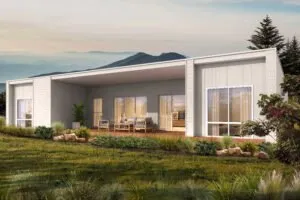
When you’re considering building a prefabricated home in Brisbane, it’s crucial to start with careful planning. You’ll work closely with architects to ensure your design meets both personal preferences and local regulations. After settling on a vision, the next steps involve selecting materials that are not only durable but also energy-efficient, tailored to the region’s climate. As the construction process unfolds, you’ll notice how each phase contributes to the overall outcome. But what happens next might surprise you, particularly as the final touches bring your vision to life. Affordable modular housing Sunshine Coast.
Understanding Prefabricated Homes
When you dive into the world of prefabricated homes, you’ll quickly see how they differ from traditional building methods.
Prefabricated homes, or prefab homes, are constructed in sections or modules at a factory and then transported to your building site for assembly. This approach offers a streamlined process, significantly reducing construction time and labor costs compared to conventional building practices.
You might appreciate the efficiency of prefabrication, where materials are sourced and constructed with precision in a controlled environment. This minimizes waste and improves quality control, ensuring that each section meets exact standards before it arrives at your chosen location.
Additionally, prefab homes often come with sustainable materials and energy-efficient designs, aligning with a modern approach to living. You can customize these homes to fit your style, choosing from various layouts and features that suit your needs.
Understanding the distinction between prefab and traditional homes is crucial.
While traditional homes rely on on-site construction, prefabricated homes provide a unique blend of speed, quality, and flexibility—offering a compelling option for many prospective homeowners.
Design and Planning Phase
During the design and planning phase, it’s essential to establish a clear vision for your prefabricated home. You need to consider your lifestyle, preferences, and functional requirements.
Think about how many bedrooms and bathrooms you’ll need, and whether you’re looking for an open-plan layout or distinct spaces for living and working.
Next, utilize technology to visualize your ideas. Software tools can help you create floor plans and 3D models, allowing you to experiment with different designs.
Collaborate with architects or designers who specialize in prefabricated homes; their expertise can guide you in making decisions that optimize space and sustainability.
Don’t forget about the orientation of your home. Positioning it for natural light and ventilation can enhance comfort.
During this phase, you’ll also want to familiarize yourself with local regulations and zoning laws since these might dictate certain aspects of your design.
Material Selection Process
Choosing the right materials is crucial for building a prefabricated home that meets your needs and stands the test of time.
Start by considering the climate in Brisbane; materials should withstand humidity and heat. You’ll want to explore options like insulated panels, which can improve energy efficiency and comfort.
Think about durability as well. For instance, materials like steel and engineered wood offer strength while being lightweight, making them ideal for prefabricated structures.
Also, don’t overlook aesthetics. You might prefer natural materials like timber or stone for their visual appeal.
Budget is another important factor. Quality materials can save you money in the long run through reduced maintenance and improved energy efficiency.
Research different options to find a balance between cost and quality that works for you.
Assembly and Construction Steps
In the intricate process of assembling prefabricated homes, getting each step right ensures efficiency and quality.
You’ll start with site preparation, making sure the land is clear and leveled. Once the ground is ready, your prefabricated parts arrive from the factory, typically in modules. You’ll need a crane to lift these heavy sections into place.
As you begin the assembly, focus on securing and connecting the modules. This involves aligning them carefully and fastening them using bolts or brackets.
Don’t forget to check that the structural integrity is sound during this phase; you want to ensure stability.
Next, you’ll install the essential utilities, including plumbing, electrical, and HVAC systems. These elements should be routed through designated spaces within the walls or floors.
Once the mechanical systems are in place, it’s time to move on to the exterior finishes. You’ll apply siding, roofing, and insulation as needed.
Final Touches and Inspection
The final touches on your prefabricated home are crucial for achieving both aesthetic appeal and functionality. Once the main structure is complete, you’ll want to focus on details that enhance the overall look and feel of your space.
Start by selecting paint colors that reflect your style; this can dramatically change the atmosphere of your rooms. Don’t forget about flooring options—choosing something that complements your design while being durable is key.
Next, pay attention to fixtures and fittings. Installing quality lighting, doorknobs, and faucets can elevate your home’s vibe.
You’ll also want to take care of landscaping around your property, adding plants and pathways that invite warmth and welcome.
After you’ve made these enhancements, it’s time for a thorough inspection. Walk through each room and check for any defects or unfinished tasks, ensuring everything meets your standards.
Don’t hesitate to ask for help if you notice something amiss; it’s essential to address these issues before moving in.
Conclusion
In conclusion, building a prefabricated home in Brisbane is an efficient and rewarding process. By collaborating with architects and choosing the right materials, you’ll create a space that meets your vision and is tailored to the local climate. The careful assembly and thorough inspections ensure your new home is built with quality in mind. With the final touches complete, you’ll soon step into your dream living space, ready to create lasting memories.