
In recent years, the global food industry has seen an exciting evolution with the rise of the halal fast casual restaurant. This dining trend sits perfectly between the convenience of fast food and the elevated quality of casual dining, offering flavorful meals that are both quick and ethically prepared according to halal standards. With increasing consumer awareness about health, ethical sourcing, and cultural inclusivity, halal fast casual dining has become much more than a niche concept—it has become a movement shaping the future of the restaurant industry.
Understanding the Halal Fast Casual Concept
To fully appreciate the significance of a halal fast casual restaurant, it is important to understand what the term represents. The word “halal” originates from Arabic, meaning “permissible.” In the food context, halal refers to ingredients and preparation methods that comply with Islamic dietary guidelines. For example, halal meat must come from animals slaughtered according to specific rituals, and pork or alcohol is completely prohibited.
When this concept merges with the fast casual dining model, the result is a restaurant that prioritizes:
-
Speed and convenience (similar to fast food).
-
High-quality, freshly prepared meals (similar to casual dining).
-
Ethical and cultural inclusivity, by ensuring food complies with halal standards.
This unique combination appeals not only to Muslim diners seeking halal meals but also to non-Muslims who are drawn to the promise of cleaner, fresher, and ethically sourced food.
Why Halal Fast Casual Restaurants Are Booming
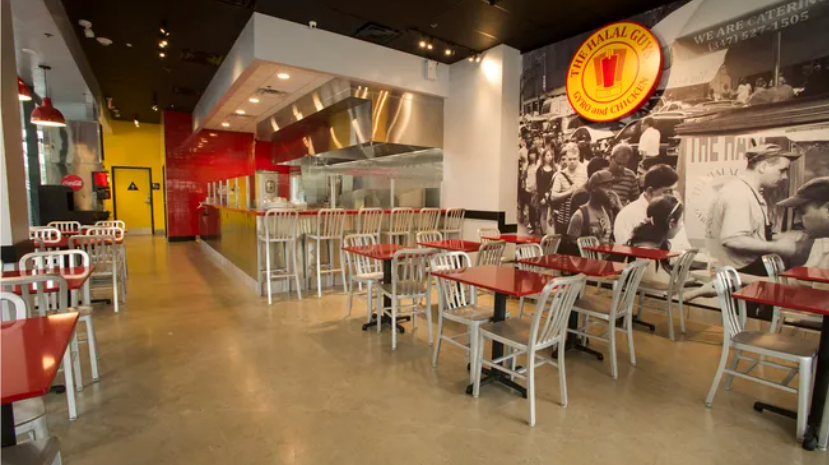
The growth of halal fast casual dining can be traced to several cultural and economic shifts. Firstly, there is the rising demand from Muslim communities around the world. With a global Muslim population exceeding 1.9 billion, the halal food market continues to expand rapidly. Families, students, and professionals alike are seeking convenient yet authentic halal dining options that align with their busy lifestyles.
Secondly, the demand for healthier and more transparent food has surged among non-Muslim consumers. Many people perceive halal-certified food as safer and more ethically prepared, as the halal system emphasizes cleanliness, humane animal treatment, and integrity in sourcing. In a time when diners are increasingly conscious about what they eat, halal fast casual restaurants provide reassurance and trust.
Lastly, globalization and cultural exchange have fueled curiosity about diverse cuisines. Halal fast casual concepts often showcase Middle Eastern, Mediterranean, South Asian, and fusion dishes, exposing customers to new flavors in a familiar, approachable setting. This blending of tradition and modern convenience has turned halal dining into a mainstream trend rather than a niche offering.
Key Features of a Halal Fast Casual Restaurant
Every halal fast casual restaurant shares certain defining features that set it apart from traditional fast food chains or fine-dining establishments.
-
Authenticity Meets Modernity
The menu often strikes a balance between authentic halal recipes and modern culinary innovations. Diners might find shawarma wraps served alongside halal-certified burgers, grain bowls, or even plant-based halal options. -
Transparency and Certification
Halal restaurants prominently display their certification, assuring customers that all meats and ingredients meet halal standards. In a competitive dining landscape, transparency builds trust. -
Efficient Dining Experience
While food is made fresh, service is streamlined. Customers can expect meals served quickly, either for dine-in, takeout, or delivery, without compromising quality. -
Inclusive Atmosphere
Many halal fast casual restaurants are designed to be inclusive, appealing to a diverse audience of Muslims and non-Muslims. The emphasis is on great food, cultural respect, and modern hospitality. -
Global Fusion and Variety
These restaurants thrive on diversity, often featuring dishes that fuse culinary traditions. For example, a halal Mexican bowl with Middle Eastern spices or a halal Korean BBQ-inspired wrap reflects creativity and cross-cultural appeal.
Popular Examples Around the World
The concept of a halal fast casual restaurant fast casual restaurant is not confined to one region—it has gained traction worldwide. In North America, chains like The Halal Guys, Shah’s Halal, and Naf Naf Grill have popularized Mediterranean and Middle Eastern street food in a fast casual setting. Their success stories show how halal food can cross cultural boundaries and attract mainstream audiences.
In the United Kingdom, halal fast casual dining is equally strong, with brands like Comptoir Libanais and Dishoom offering accessible halal-friendly menus that attract both Muslim and non-Muslim diners. Meanwhile, in countries with majority-Muslim populations, such as Malaysia, Indonesia, and the UAE, halal fast casual restaurants are flourishing as part of a broader halal lifestyle movement.
Challenges in the Halal Fast Casual Space
While the halal fast casual restaurant trend is growing, it also faces challenges. One major hurdle is ensuring consistent halal certification across different locations. Large chains must carefully manage supply chains to guarantee that all ingredients remain compliant.
Another challenge lies in competition. As more halal restaurants open, the market becomes saturated, and only those offering unique flavors, strong branding, and consistent quality are likely to stand out. Additionally, educating non-Muslim diners about what halal truly means is an ongoing process, as misconceptions and stereotypes still exist.
Despite these obstacles, the opportunities far outweigh the challenges. The demand for halal food continues to expand, creating ample room for innovative concepts to flourish.
The Future of Halal Fast Casual Dining
Looking ahead, the future of halal fast casual restaurants appears extremely promising. Several key trends are likely to shape the next phase of growth:
-
Plant-Based Halal Options
With the global rise of veganism and vegetarianism, halal fast casual restaurants are experimenting with plant-based proteins, ensuring that menus remain inclusive and adaptable. -
Tech-Driven Experiences
Online ordering, delivery apps, and AI-driven personalization will enhance convenience, making halal dining more accessible to customers worldwide. -
Fusion Innovation
Expect to see bold menu combinations that mix halal traditions with global street food, creating unique dining experiences. -
Sustainability and Ethical Sourcing
More restaurants will highlight eco-friendly practices, such as using organic halal meat, reducing food waste, and embracing sustainable packaging. -
Mainstream Expansion
As halal dining becomes increasingly popular, major fast casual chains may adopt halal-certified menus or open dedicated halal outlets, further normalizing the concept.
Why Consumers Love Halal Fast Casual Restaurants
At the heart of the movement lies customer satisfaction. People love halal fast casual restaurants because they provide a combination of trust, flavor, and convenience. Muslim diners appreciate being able to enjoy meals without compromising their dietary values, while non-Muslim diners enjoy flavorful, high-quality dishes that align with modern food trends.
Moreover, the atmosphere of these restaurants often emphasizes inclusivity and community. Whether someone is stopping in for a quick lunch, grabbing takeout after work, or dining with family and friends, halal fast casual restaurants create spaces where everyone feels welcome.
Conclusion
The halal fast casual restaurant movement is more than a passing trend—it represents a cultural shift in how people view dining. It caters to a growing global demand for food that is ethical, high-quality, and convenient, all while celebrating diversity and tradition. By blending authenticity with innovation, these restaurants have redefined what it means to eat out in the modern age.
As consumer preferences continue to evolve, halal fast casual dining will likely play an even bigger role in shaping the global culinary landscape. It is a powerful example of how food can bridge cultures, inspire inclusivity, and transform everyday dining into something extraordinary.
