
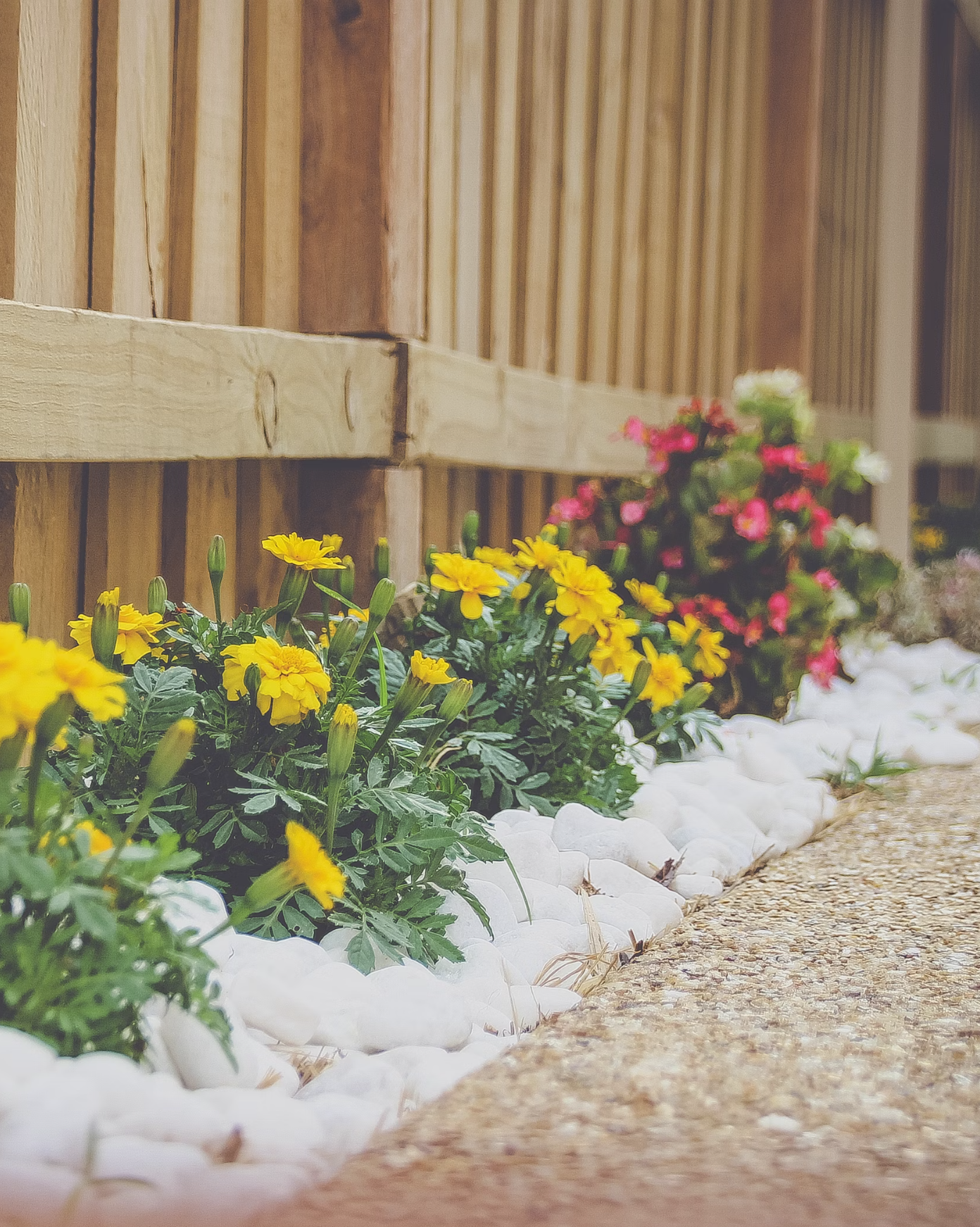
As you step into your outside quad, you’re probably thinking about how to make it more property. You’re not alone. By qualification a few simple changes, you can make a more environmentally witting landscape that’s not only good for the planet but also salutary for local anesthetic wildlife. Imagine ditching your irrigate-guzzling lawn and adopting eco-friendly alternatives to pesticides. The possibilities are infinite, and the benefits are substantial. But where do you take up?
Ditching Water-Guzzling Lawns
Considering the environmental bear on of your outdoor quad, it’s high time to reassess the role of orthodox lawns.
They’re infamous irrigate-guzzlers, and it’s no enigma that maintaining a lush, putting green lawn can be a significant contributor to your water bill.
Moreover, the irrigate run off is impressive a typical American lawn guzzles around 10,000 gallons of water.
By ditching your orthodox lawn, you’ll not only conserve this preciously resource but also lower your irrigate bills significantly.
Additionally, lawns require a lot of sustainment, which often involves using gas-guzzling lawn mowers that pollute the air.
By opting for a more property alternative, you’ll reduce your carbon footmark and make a more eco-friendly exterior quad.
So, what’re you waiting for?
Take the first step towards a greener, more sustainable hereafter by ditching your water-guzzling lawn now.
Eco-Friendly Alternatives to Pesticides
Now that you’ve ditched your irrigate-guzzling lawn, it’s time to undertake another environmental wrongdoer in your outdoor quad: pesticides.
These chemical substance concoctions not only harm beneficial insects and wildlife but also contaminate soil, air, and water, and even affect your wellness.
Luckily, there are eco-friendly alternatives that won’t compromise your garden’s health.
One effective choice is introducing salutary insects like ladybugs and lacewings that feed on pests.
You can also use neem oil, a of the seeds of the neem tree, which disrupts louse hormone systems, preventing them from reproducing.
Another approach is to make a equal by planting a diverse range of flowers, herbs, and vegetables that pull in beneficial insects.
Additionally, physical barriers like fine mesh or fine netting can keep pests from stretch your plants.
Finally, adopt organic fertiliser horticulture practices like crop rotation, and composting to exert soil wellness, reduction the likeliness of pest infestations.
Sustainable Garden Design Principles
How do you picture your outside space- a serene haven or a bustling ecosystem?
Whatever your vision, property garden design principles can help you produce a pleasant and eco-friendly space.
Start by assessing your site’s conditions, including sunlight, wind direction, and soil tone.
This will help you pick out the right plants and features.
Consider incorporating rain gardens or bioswales to finagle stormwater runoff and tighten your irrigate bill.
You can also make a habitat for topical anesthetic wildlife by incorporating native plants and providing food and tax shelter.
Don’t forget to integrate hardscapes like porous pavers, walkways, and seating area areas that boost you to pass more time in your outside quad.
Lastly, think about maintenance- choose plants that require less pruning, lacrimation, and fertilizing.
Greenery for Climate Change Mitigation
As you cut into into the earthly concern of eco-friendly sod installation , you’ll reveal that greenery plays a life-sustaining role in mood transfer moderation.
The conclude is simpleton: plants take over carbon dioxide, a John Roy Major to climate change, and release O as a byproduct. By incorporating more greenery into your landscape, you’re actively reduction the come of carbon paper dioxide in the standard atmosphere.
Additionally, trees and shrubs supply shade off, reducing the need for air conditioning and other cooling systems that consume energy. This, in turn, reduces nursery gas emissions.
Furthermore, greenery helps to sublimate the air by removing pollutants and toxins, creating a fitter for you and your .
By choosing the right plants for your climate and region, you can make a tangible impact on mitigating climate transfer.
Nature-Inspired Landscape Design
By incorporating more greenery into your exterior quad, you’re not only mitigating climate change but also creating an opportunity to bring on the cancel earthly concern into your backyard.
Nature-inspired landscape painting design takes this conception to the next level. You’ll be design your outdoor quad to mime the cancel worldly concern, incorporating indigene plants, rocks, and water features that mirror the landscape of your region.
When you’re design your nature-inspired landscape painting, think about the natural habitats of your area. Are you near a afforest? Incorporate trees and undergrowth.
Are you near a river? Incorporate rocks and irrigate features. This design set about not only creates a pleasant, unique space, it also supports local anaesthetic ecosystems and biodiversity.
Conclusion
You’ve made it this far, and now it’s time to put your eco-friendly landscape gardening plan into process Start by ditching that thirsty lawn and opting for low-maintenance, drouth-tolerant plants instead. Then, swap out unpleasant pesticides for natural methods that actually work. By incorporating sustainable garden plan principles, you’ll be creating a wildlife-friendly oasis that not only helps extenuate mood change but also reduces your carbon step. Get set to enjoy your very own property harbor
