
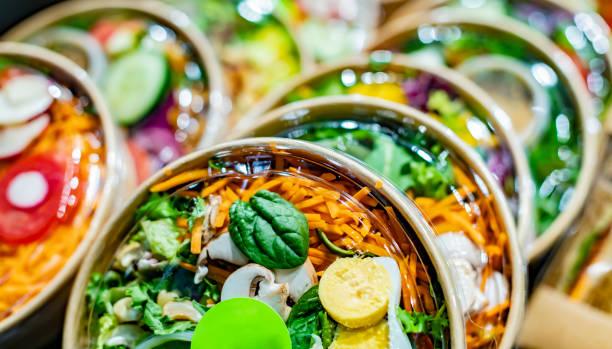
When you’re choosing between biodegradable and recyclable บรรจุภัณฑ์ , it’s crucial to consider their distinct advantages and practical implications. Biodegradable materials break down quickly and can enrich the soil, while recyclable options help conserve resources and reduce energy usage. However, the effectiveness of both largely hinges on where you live and how waste is managed in your community. Which solution offers the best long-term sustainability? You’ll want to explore how these factors shape your choices and the overall impact on the environment.
Definition of Biodegradable Packaging
When it comes to understanding biodegradable packaging, it’s essential to know what it actually means. Biodegradable packaging refers to materials designed to break down through natural processes, typically involving microorganisms like bacteria and fungi. Unlike conventional plastics, which can persist in the environment for hundreds of years, biodegradable options aim to decompose efficiently, leaving little environmental impact behind.
You might encounter materials like cornstarch, hemp, or other plant-based substances used in biodegradable packaging. These materials are engineered to decompose under specific conditions, such as in composting facilities, though they can sometimes break down in regular landfill environments as well. The key here is that they’re meant to return to their natural state, contributing valuable nutrients back into the soil.
When choosing biodegradable packaging, consider factors like the environment it needs to break down in. Some need hot, moist conditions to decompose effectively, while others can handle less-than-ideal scenarios. Understanding these nuances is vital for making eco-friendly choices that truly benefit the planet.
Definition of Recyclable Packaging
Recyclable packaging refers to materials that can be processed and re-manufactured into new products after their initial use, minimizing waste and conserving resources. Common recyclable materials include paper, cardboard, glass, metal, and certain plastics, each identified by recycling symbols.
When you use recyclable packaging, it’s essential to sort and clean the items before disposing of them, ensuring they’re accepted by your local recycling program.
You might notice that not all packaging labeled as recyclable is accepted everywhere. Different regions have specific guidelines about what can be recycled, so it pays to familiarize yourself with your area’s rules. For example, some plastics may require specific recycling facilities, while others may not be accepted at all.
Another important aspect is that recyclable packaging can often be turned into new products, like containers, building materials, or even clothing. This process not only reduces the need for raw materials but also helps in decreasing energy consumption when producing new items.
Ultimately, choosing recyclable packaging contributes to a circular economy, keeps materials in use longer, and encourages responsible consumption habits. By being mindful of your choices, you’re taking an active step towards sustainability.
Environmental Impact Comparison
In examining the environmental impacts of biodegradable and recyclable packaging, it’s clear that both options offer distinct advantages and challenges.
Biodegradable packaging breaks down naturally, reducing landfill waste and minimizing pollution in the long run. It can decompose in a matter of months, depending on environmental conditions, and contributes to soil health if processed correctly.
However, the effectiveness of biodegradability relies heavily on proper disposal methods, like composting facilities, which may not always be accessible.
On the other hand, recyclable packaging can significantly decrease resource consumption and energy use when processed correctly. Recycling uses existing materials to create new products, reducing the need for raw materials and lowering emissions in manufacturing.
Unfortunately, the recycling process isn’t perfect. Contamination can lead to entire batches being discarded, and not all materials are accepted in recycling programs.
Ultimately, the environmental impact of both options hinges on your local waste management practices and how you’d dispose of the packaging.
It’s vital to consider these factors, as your choices can either support sustainable practices or contribute to environmental challenges.
Practicality and Consumer Considerations
Understanding the practical aspects of biodegradable and recyclable packaging is key to making informed choices as a consumer.
Both types of packaging come with their unique benefits and drawbacks that you should consider. Biodegradable packaging breaks down more quickly in the environment, but its disposal methods can vary. You’ll need to ensure that it goes into the right composting facility, or it might just end up in a landfill.
On the other hand, recyclable packaging is often more readily accepted in curbside programs, simplifying the recycling process for you. However, product contamination can hinder the recycling process, requiring you to rinse or clean items before disposal.
You might also weigh convenience against sustainability. If you typically generate a lot of waste that doesn’t fit neatly into recycling streams, biodegradable options can feel like a better choice.
However, knowing your local recycling guidelines can help you utilize recyclable packaging effectively.
Ultimately, whether you choose biodegradable or recyclable options will depend on your lifestyle, convenience, and commitment to sustainable practices.
Consider which option aligns best with your values and daily habits.
Future Trends in Packaging Solutions
As consumers become more environmentally conscious, the future of packaging solutions is evolving rapidly. You’re likely noticing a shift toward materials that prioritize sustainability without sacrificing functionality.
Companies are exploring innovative biodegradable materials made from plant-based sources, aiming to reduce landfill waste. You can expect to see packaging that decomposes over time, contributing to a circular economy.
Recyclability is also a priority, but with a twist. More brands are committing to using easily recyclable materials, and you’ll find clearer labeling to guide you.
Enhanced recycling technologies are emerging, making it easier to process mixed materials.
Look out for smart packaging that monitors product freshness or provides interactive recycling information. This tech could simplify decision-making for consumers like you, helping to make eco-friendly choices.
Don’t forget about minimalism. Brands are realizing that less packaging means less waste, shifting towards designs that use fewer resources.
As these trends unfold, remember that your choices matter. Supporting brands that prioritize sustainability helps shape the future of packaging, leading to a healthier planet for everyone.
Conclusion
In the debate between biodegradable and recyclable packaging, there’s no one-size-fits-all answer. It really depends on your local disposal options and how you prioritize environmental impact. If you’re looking for convenience, recycling often takes the lead with curbside pickups. However, if you’re focused on reducing landfill waste, biodegradable materials may be the way to go. Ultimately, every choice counts, so consider your lifestyle and support packaging solutions that align with your values for a healthier planet.